Most deck projects in Manassas start the same way. A homeowner sketches a rough idea, calls a contractor, gets a verbal estimate, and assumes the result will match their vision. The reality is often quite different. The finished deck ends up smaller than expected, the layout flows awkwardly off the home, the railings block sightlines, and the homeowner discovers expensive change orders mid-build that could have been avoided entirely with better upfront planning.
3D deck design and consultation eliminates this gap between expectation and reality. By modeling the entire structure digitally before construction begins, every detail gets reviewed and approved while changes still cost nothing. This guide explains how the process saves Manassas homeowners from the most common and costly build mistakes that plague deck projects across northern Virginia.
Visualizing the Finished Deck Before Construction
3D deck design and consultation creates a digital model of the entire structure on the actual property, complete with the home, the lot lines, the existing landscape, and the proposed deck. The model shows exactly how the finished deck will sit on the property, including material colors, railing styles, stair placement, and the relationship between the structure and the surrounding yard.
This level of detail catches problems early that traditional sketches simply miss. Sun exposure across different parts of the day, sightlines from inside the home through windows and sliding doors, traffic flow on the deck surface, and the visual impact from the street or neighboring properties all become clear in the modeling phase. Adjustments cost nothing in the digital environment, while the same change after construction starts can cost thousands.
Catching Setback and Property Line Issues Early
Manassas enforces specific setback requirements for rear, side, and corner lots, with rules that vary by zoning district across the city. A deck that violates these setbacks creates serious problems, including stop-work orders during construction, forced modifications after the fact, and complications during a future home sale that can derail the entire transaction at closing.
3D deck design and consultation confirms setback compliance before the permit application even gets submitted. The model overlays the proposed structure onto the actual lot dimensions, showing exactly where the deck sits relative to property lines, easements, and other restrictions. Any conflict surfaces immediately at the modeling stage, allowing the design to be adjusted before time and money get committed to the wrong configuration. This single benefit alone has saved Manassas homeowners thousands of dollars in rework over the years.
Material Choices Brought to Life in Context
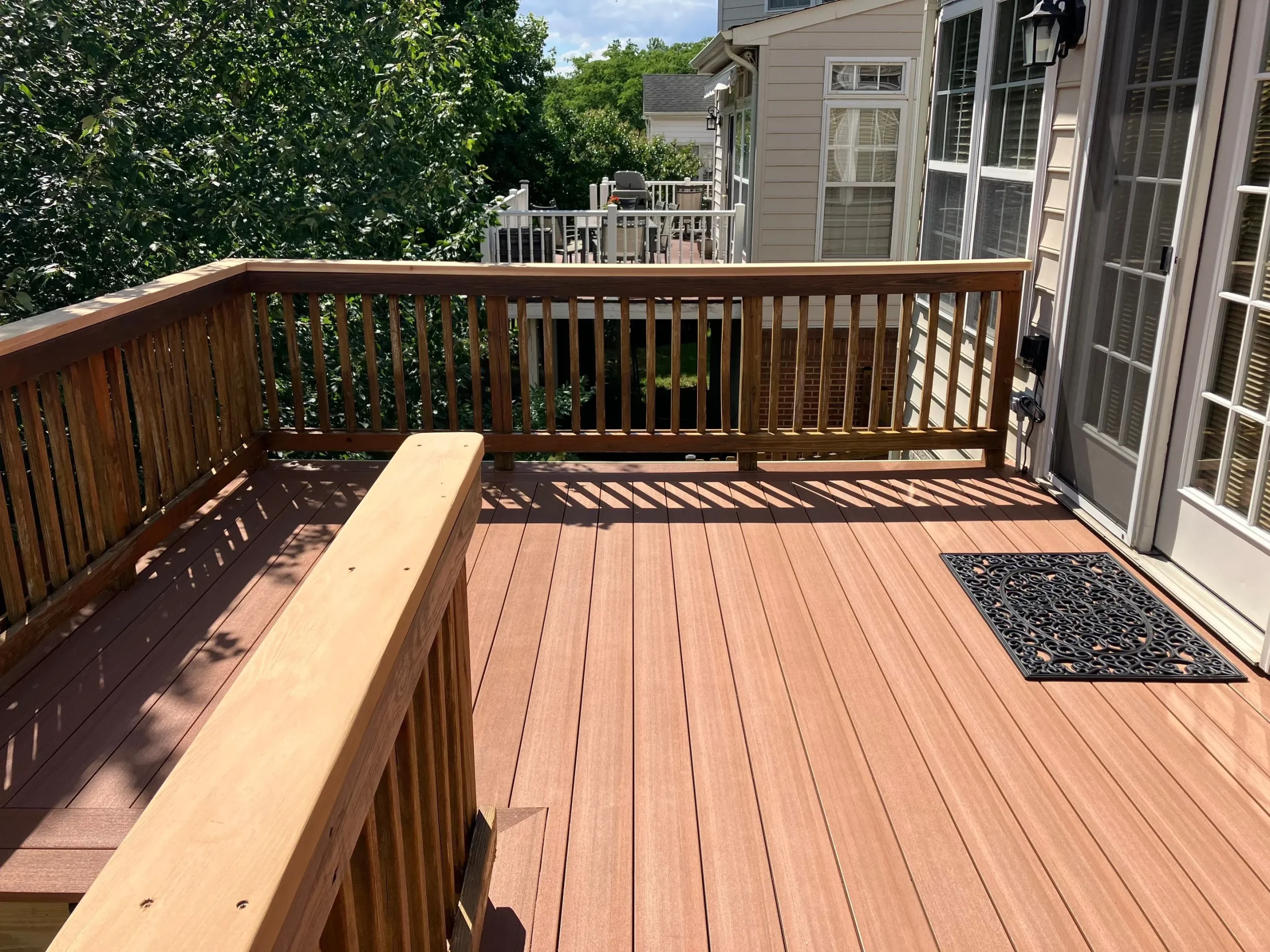
Choosing decking materials from small samples in a showroom rarely reflects how the final product will look on the actual home. 3D deck design and consultation solves this by rendering every material choice in context. Composites from Trex, TimberTech by Azek, Fiberon, Barrette Outdoor Living, and Deckorators each appear in the model with accurate color, grain, and finish. MadWood, mineral-based decking, hybrid decking, and PVC options also render the model with realistic appearance.
Pressure-treated wood and softwood options including Cedar, Yellow Pine, C-Select Pine, and Redwood also render with realistic appearance and grain patterns. The homeowner sees how each material pairs with the home’s siding, trim, and existing landscape rather than guessing from a small swatch. This visualization step has changed material decisions for many Manassas homeowners who would have regretted their choice if they had committed without seeing the full picture in context.
Solving Structural and Footing Layout Problems
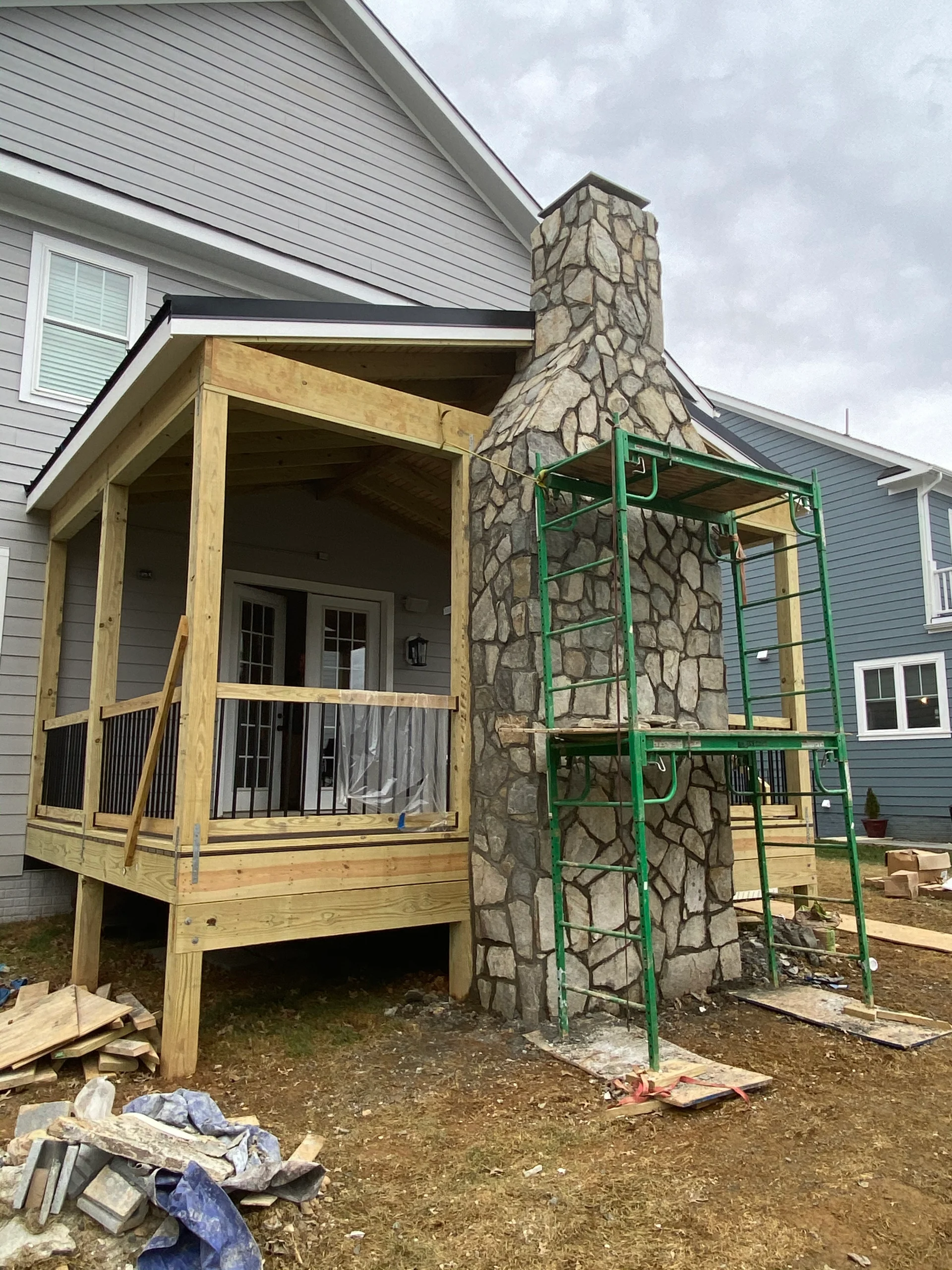
3D deck design and consultation also handles the technical side of the build. The model maps every footing location with precision, accounting for beam spans, post placement, joist spacing, and load distribution across the structure. Traditional concrete footings and diamond piers both get specified at the modeling stage, which means the crew arrives on site with a clear plan rather than figuring out footing locations during the excavation phase.
Framing decisions also come together at the modeling stage. Wood framing and PWT pressure-treated LVL each have specific span tables and load characteristics, with brands like Standard PT Lumber, OC Lumber, PWT Lumber, and KDAT Lumber each suited to different applications. The model accounts for these decisions and ensures the structural plan matches the surface design before the project moves into the permit phase with the city.
Streamlining Permit Approval and Project Timeline
Manassas requires building permits for nearly all new deck construction, and the application process moves faster when the plans are clear, complete, and accurate from the start. Permit applications backed by detailed 3D models typically clear review faster than those with hand-drawn sketches or generic plans, because the inspector can see exactly what is being proposed without trying to interpret rough drawings.
A qualified contractor handles permit acquisition from start to finish, using the 3D deck design and consultation as the foundation of the application. This approach reduces back-and-forth with the building department and gets construction underway sooner without unnecessary delays. For expert 3D deck design and consultation, plus full-service installation in Manassas and across the surrounding Virginia communities, contact HD Decks and Exteriors at (703) 565-2329 to schedule a consultation and start your project the right way.